Kubernetes Security for DevOps Engineers
A scenario-driven course that teaches Kubernetes security through real attack paths and defense architectures. Covers the Kubernetes API, RBAC, threat modeling with STRIDE, network policies, runtime security, and compliance, all through the lens of real breaches and FAANG-level interview questions.
What you'll learn
Curriculum
8 modules · 40 lessonsThe Kubernetes API: Understanding the Control Plane
What the API actually is, how requests flow through the security gates, and why etcd is the highest-value target.
API Security, Authentication, and RBAC
The three security gates (authn, authz, admission), RBAC patterns, ServiceAccount tokens, and multi-tenancy.
Threat Modeling Kubernetes: The STRIDE Framework
Spoofing, tampering, repudiation, information disclosure, denial of service, and privilege escalation in Kubernetes context.
Network Security: Controlling Traffic Flow
NetworkPolicies, service mesh mTLS, ingress hardening, DNS exfiltration, and egress control.
Workload and Image Security
Image supply chain, image promotion, workload isolation, secrets management, and runtime threat detection.
CI/CD Pipeline Security
Pipeline credential scoping, GitOps as a security pattern, shift-left scanning, and deployment safety controls.
Auditing, Compliance, and Incident Response
K8s audit policy, security monitoring, CIS / NIST / PCI-DSS compliance, and the IR playbook for compromised pods.
Security Architecture and Capstone
Zero trust in Kubernetes, securing managed K8s (EKS, GKE, AKS), and a full security-focused system design walkthrough.
About the Author
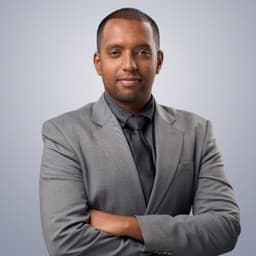
Sharon Sahadevan
AI Infrastructure Engineer
Building production GPU clusters on Kubernetes. H100s, large-scale model serving, and end-to-end ML infrastructure across Azure and AWS.
10+ years designing cloud-native platforms with deep expertise in Kubernetes orchestration, GitOps (Argo CD), Terraform, and MLOps pipelines for LLM deployment.
Author of KubeNatives, a weekly newsletter read by 3,000+ DevOps and ML engineers for production insights on K8s internals, GPU scheduling, and model-serving patterns.